
Gold vs. Platinum: Your Guide to Choosing the Perfect Precious Metal
Choosing the metal for a forever piece—whether it’s a bespoke engagement ring or a milestone anniversary gift—is about more than just colour. It is about the "heft" on the hand, the way the metal ages over a decade, and the maintenance required to keep that initial lustre.
At Nude Jewellery, we work extensively with both 18ct gold and platinum in our Surrey studio. While both are "noble" metals, they behave very differently over time. Here is what you need to know before making your investment.
1. The Feel: Density and the "Weight of Luxury"
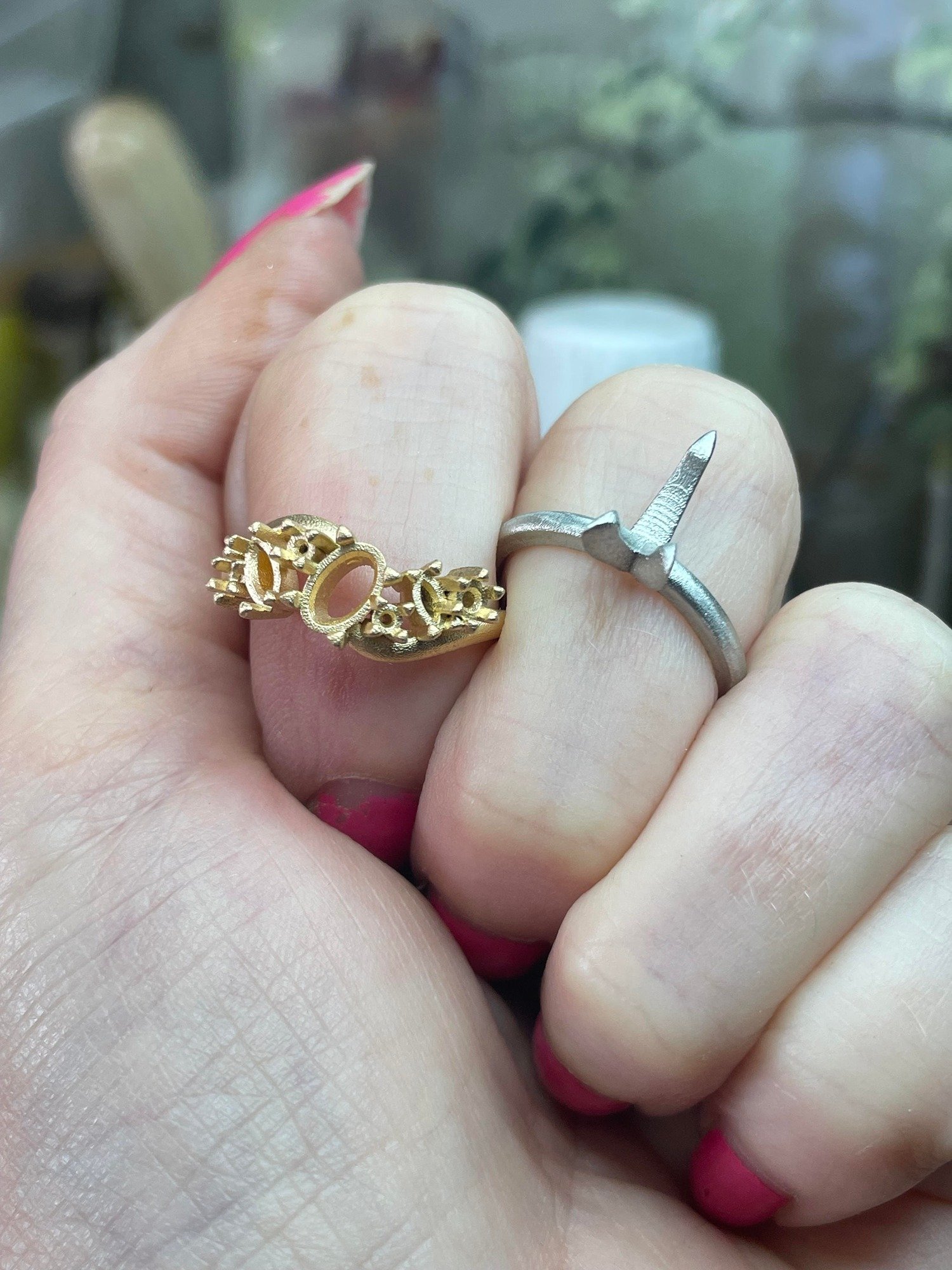
One of the first things you notice when handling a platinum ring versus a gold one is the weight. Platinum is significantly denser than gold; if you were to have two identical rings, the platinum version would feel roughly 40% heavier on the finger.
For many luxury consumers, this "heft" is synonymous with quality. Platinum feels substantial and grounding. Gold, by contrast, is lighter and more effortless—perfect for those who prefer their jewellery to feel like a second skin.
2. The Maintenance Myth: White Gold vs. Platinum
This is where the most confusion lies. It is important to remember that white gold does not exist in nature. It is created by mixing yellow gold with white metals (like palladium) and is then finished with a "Rhodium" plating to give it that bright, mirrored chrome finish.
White Gold: Over a year or two of daily wear, the rhodium plating will naturally wear away, revealing a slight "warm" yellowish tint underneath. To keep it crisp and white, it will need "re-dipping" (rhodium plating) periodically.
Platinum: Platinum is white all the way through. It will never change colour or require plating. If you want a metal that remains "bright white" forever with minimal intervention, platinum is the winner.
3. The "Forever" Factor: Metal Loss vs. Displacement
One of the most fascinating differences between these two metals is how they handle the passage of time. If you were to weigh a gold ring and a platinum ring after 50 years of daily wear, you would find a surprising result:
Gold (Metal Loss): Every time your gold ring is scratched or knocked against a hard surface, a microscopic amount of the metal is actually abraded and lost. Over decades, this is why the "shoulders" or the back of a gold ring’s shank can become noticeably thinner.
Platinum (Moving Molecules): Platinum is a "viscous" metal. When it is scratched, the metal is simply displaced—the molecules are pushed to the side of the scratch but remain on the ring.
An Artisan’s Perspective: Patina vs. Polish While platinum is technically more durable because it doesn't lose mass, it is important to consider how this "movement" affects the look of your jewellery. In my opinion, because platinum moves rather than sheds, it can eventually take on a more "weathered" or "battered" appearance. This accumulation of displaced molecules creates a matte patina that feels very lived-in.
Gold, on the other hand, although it wears away slightly over time, tends to maintain a softer, more naturally polished look. Even as it ages, gold keeps a certain "glow" and smoothness that platinum can lose as it develops its rugged character. If you prefer your jewellery to look crisp and bright for longer, the way gold wears might actually be more appealing to your eye.
4. Strength and Gemstone Security
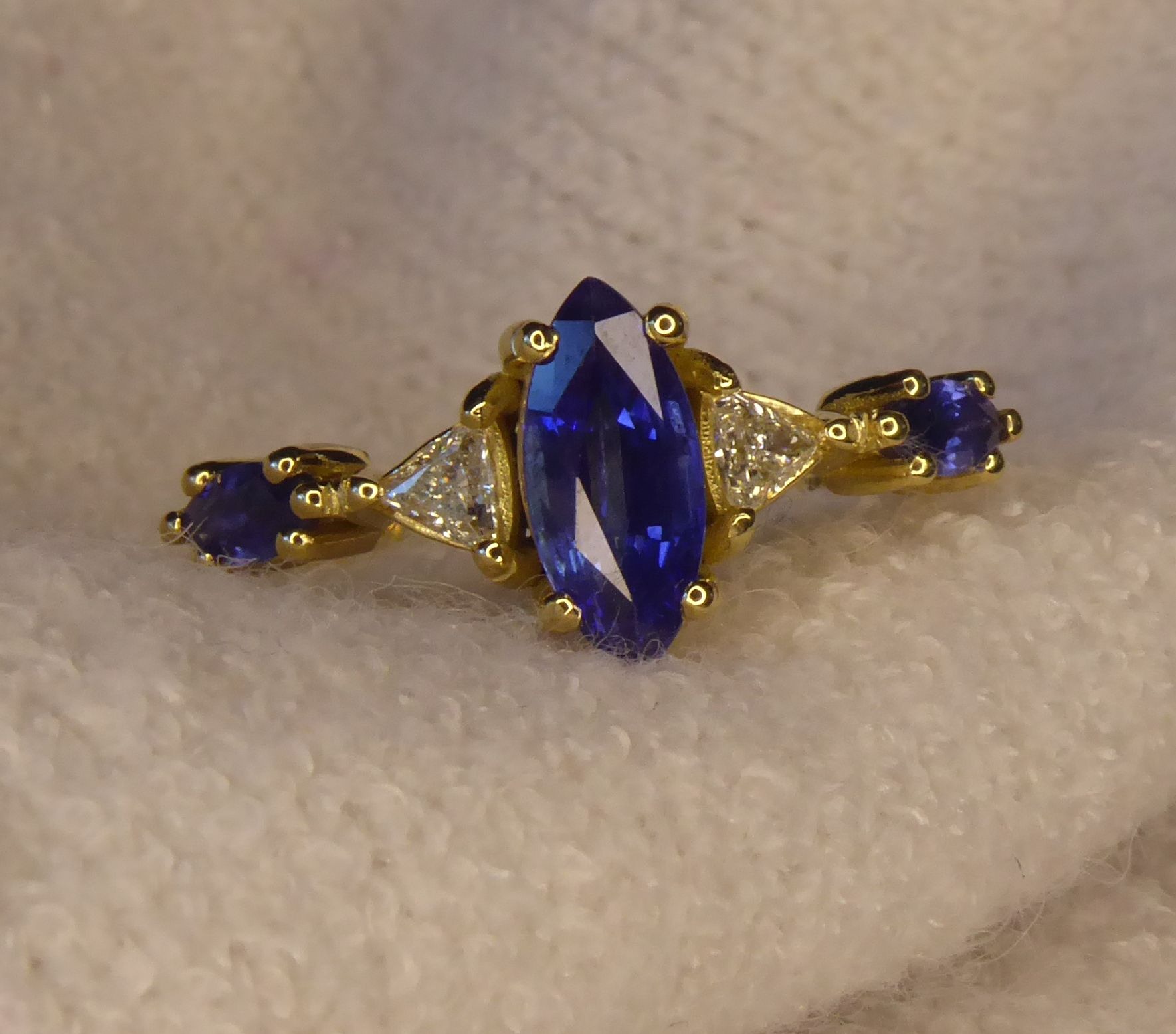
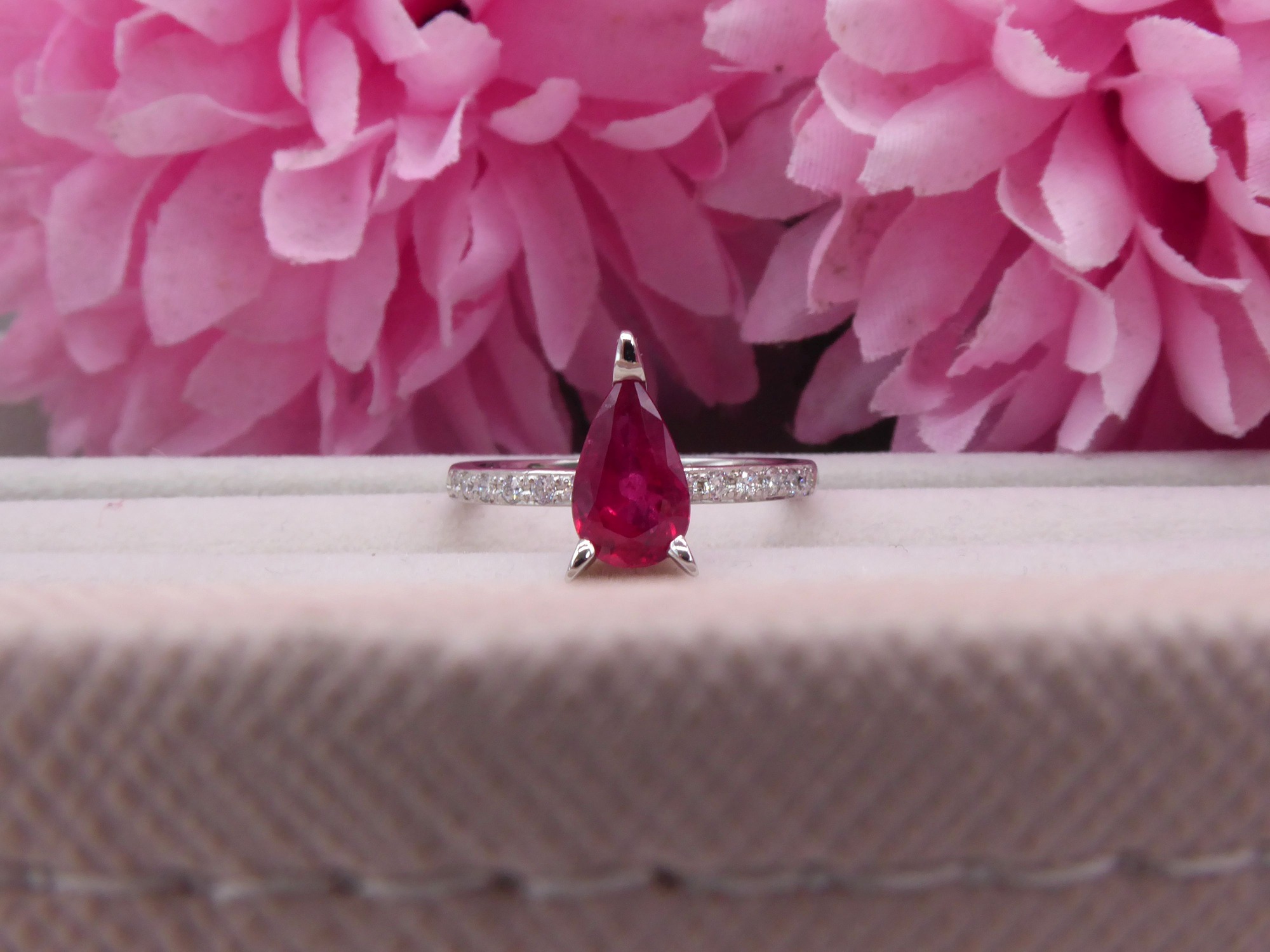
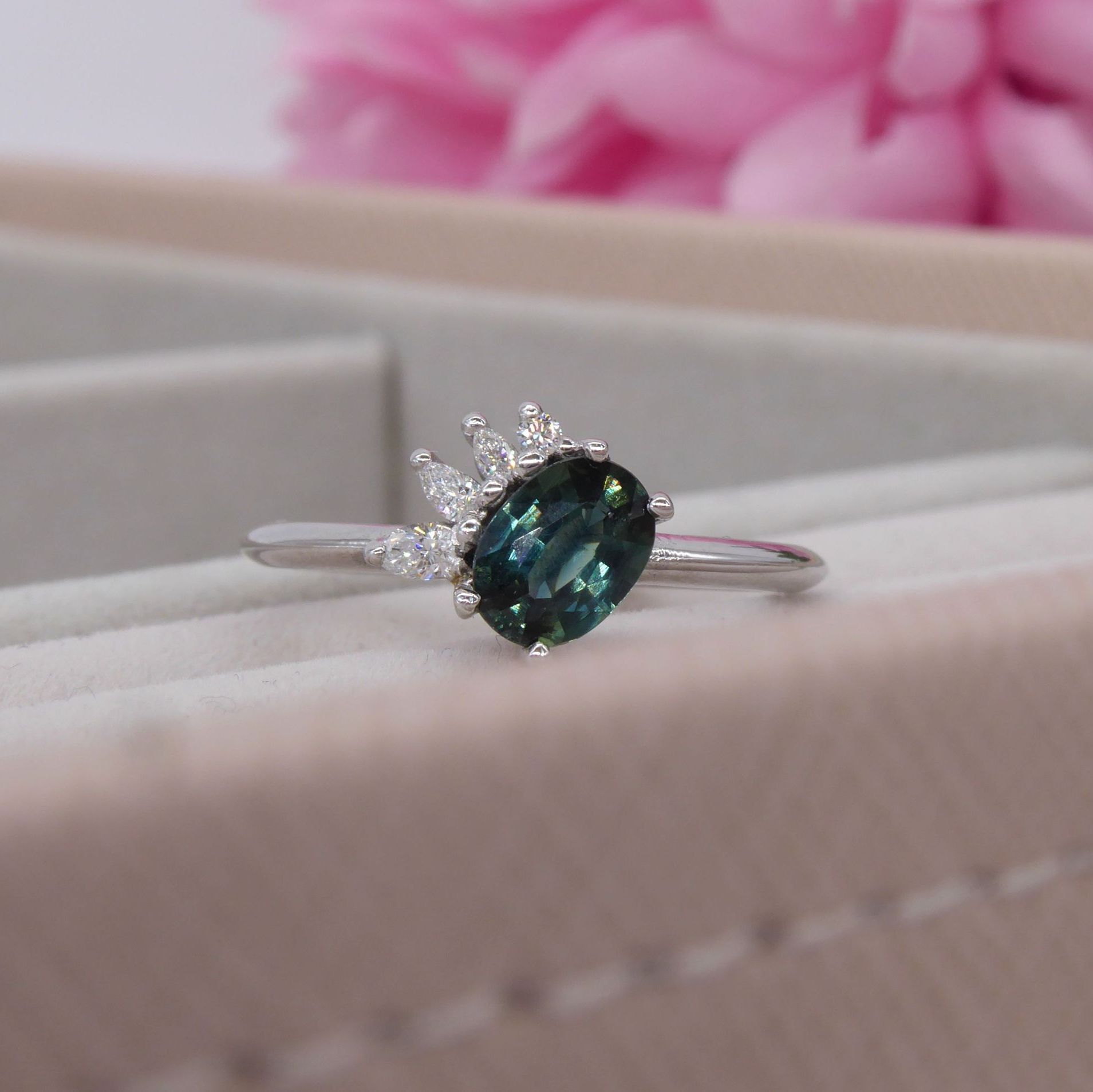
If your design features a high-set diamond or a delicate Teal Sapphire, platinum is often the preferred choice for the "claws" or prongs. Because platinum is less "brittle" than gold, it is more likely to bend than snap if it takes a hard knock. This makes it exceptionally secure for holding precious stones in place over a lifetime of wear.
5. Sensitivity and Sustainability
At Nude Jewellery, we prioritise high standards for all our metals:
Hypoallergenic: Platinum is 95% pure, making it naturally hypoallergenic. If you have sensitive skin or a nickel allergy, platinum is the safest choice.
Ethical Sourcing: We utilise recycled 18ct gold and platinum in our boutique designs, ensuring that your choice of metal reflects a modern commitment to sustainability without compromising on artisan quality.
The Verdict: Which should you choose?
Choose 18ct Gold if you love the heritage of warm yellow or rose hues, or if you prefer a lighter, more traditional feel that maintains a soft, polished look over the years.
Choose Platinum if you want a bright white finish that never needs plating, enjoy the substantial weight of a dense metal, and appreciate the "lived-in" character of a natural patina.
Still undecided? Whether you are interested in one of our contemporary collections or wish to discuss a bespoke commission using your own stones, we are here to help. Book a consultation at our studio to feel the difference between these metals in person.
Continue Your Journey
Choosing the right metal is just the first step in creating a piece of jewellery that lasts a lifetime. To help you navigate the world of fine jewellery and bespoke design, we’ve curated these essential guides:
Ready to create something unique? Learn how to prepare for your bespoke consultation to make the most of your time with our designers.
A guarantee of quality: Discover the importance of the UK Assay Office in our guide to understanding UK hallmarking.
Deepen your metal knowledge: Explore our broader look at explaining precious metals, from silver to rose gold.
Prefer to speak with us in person? Whether you have a clear vision or need a little guidance, we invite you to contact our Surrey studio to discuss your ideas.
Comments